admin_mulosige

About admin_mulosige

This author has not yet filled in any details.
So far admin_mulosige has created 545 blog entries.

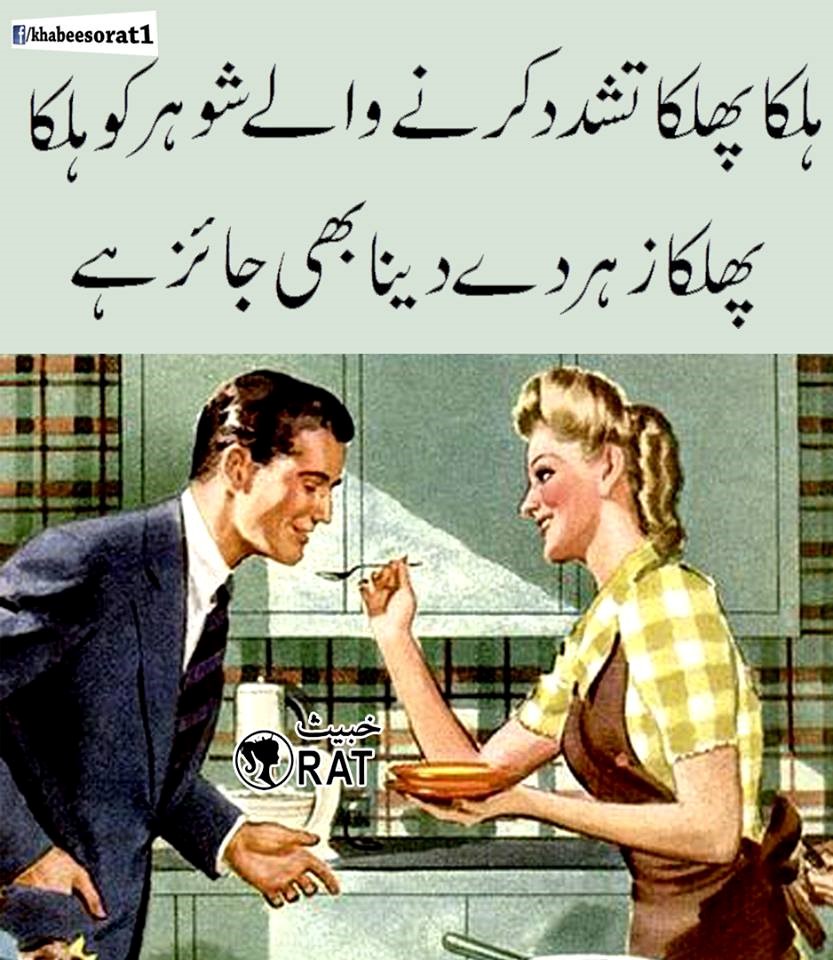
Khabees Orat: A reflection on bi-cultural humour

By |2019-12-04T11:36:10+01:00June 14th, 2018|Categories: Genre, North India, North India Readings, Popular and Pulp Fiction, Reading|Tags: , , , , , , , , , |

The character “Khabees Orat. portrays the opposite of what an average Pakistani woman is expected to be, in return becoming the representation of the inner voice of a large majority of local women. ” Where “orat” can literally be translated into “woman”, “Khabees” is a combination of “notorious,” “wicked, “dishonorable,” “devilish” and “corrupt” qualities.
From indigenous to Catalan?: Shifting paradigms of identity in the limits of Moroccan literatures

By |2019-12-04T12:05:21+01:00June 11th, 2018|Categories: Maghreb, Maghreb Reading, Reading|Tags: , , , , , , , , |

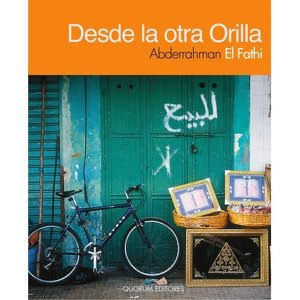
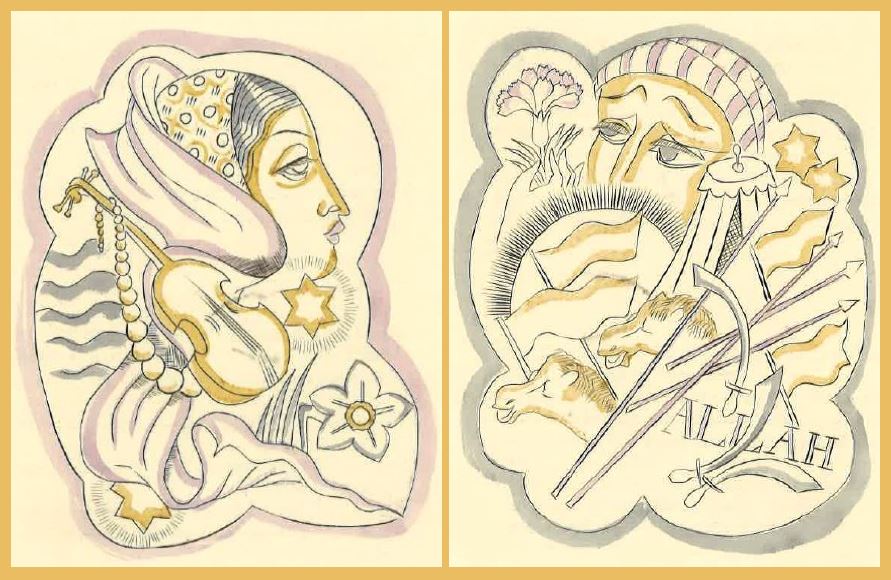
Hispanophone Maghribi authors have not yet made inroads into the Spanish literary scene and academia, nor in the Moroccan one. This double absence derives on the one hand from the particularities of this colonial context, but it is also related to the general absence of Hispanophone literatures within the field of postcolonial studies, where issues related to the modern Spanish colonies are not often discussed.

MULOSIGE Syllabus: Colonialism, a multilingual local and its significant geographies

By |2019-04-12T14:27:09+01:00May 31st, 2018|Categories: Digital Humanities and Archiving, Members, MULOSIGE Syllabi|Tags: |

By taking multilingualism seriously, this course traces the trajectories of literature under colonialism and challenges simple models of world literature.

MULOSIGE Syllabus: ‘Reading together’ Literary Texts in Multilingual Contexts

By |2019-04-12T14:27:52+01:00May 31st, 2018|Categories: Members|Tags: , , |

This course attempts to break down common reading practices from three multilingual contexts: Morocco, North India and the Horn of Africa.

Beyond conflicts, crises and catastrophes: Afro-Pessimism in Western Media

By |2019-04-12T14:28:18+01:00May 31st, 2018|Categories: Digital Humanities and Archiving, Horn of Africa|Tags: , , , , , , , , , , , |

Rachel Tabea Bossmeyer criticizes the afro-pessimism of mainstream Western Media and its ties to colonial literary productions.

What’s in a Meme?: Literature, Representation, and Renegotiation.

By |2019-04-12T11:54:30+01:00May 21st, 2018|Categories: Digital Humanities and Archiving, Reading|Tags: , , , , , , , , , , , , , , , , , , , , , , |

Jenny Carla Moran is a Postcolonial studies MA student at SOAS University of London. She is the co-founder and a previous co-head editor of Trinity College Dublin's feminist journal, nemesis. Her current research interests include post-structuralism, gender theory, and embodiment in the digital age. Her perpetual interests include circles of femme friendships and cats."

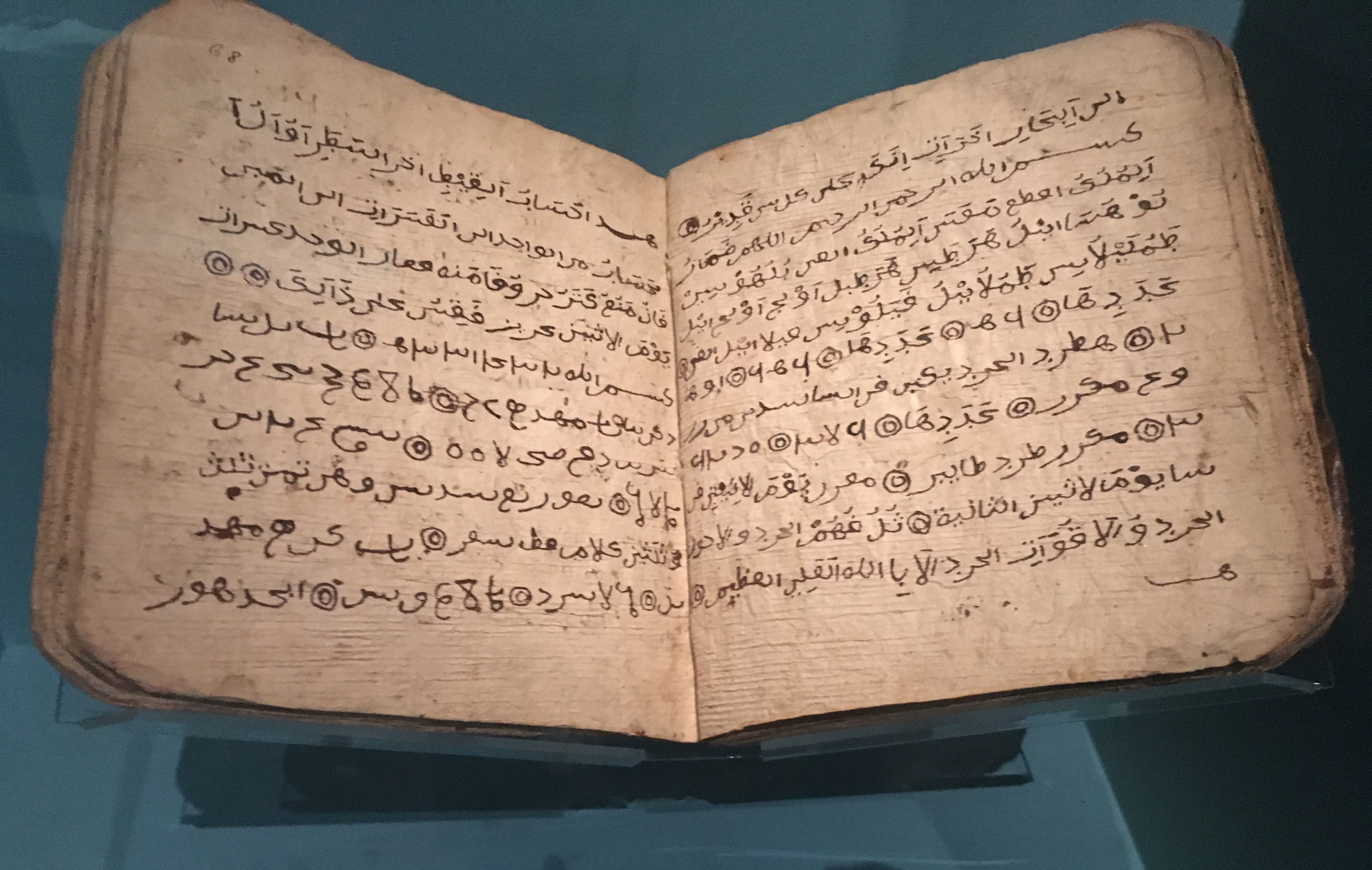
Multilingual Counterpoint in Nuruddin Farah’s Sardines

By |2018-06-06T13:04:43+01:00May 21st, 2018|Categories: Horn of Africa, Reading|Tags: , , , , , , |

Tayseer Abu Odeh discusses how Somali writer Nuruddin Farah explores how to challenge narratives of history and power in his novel Sardines.

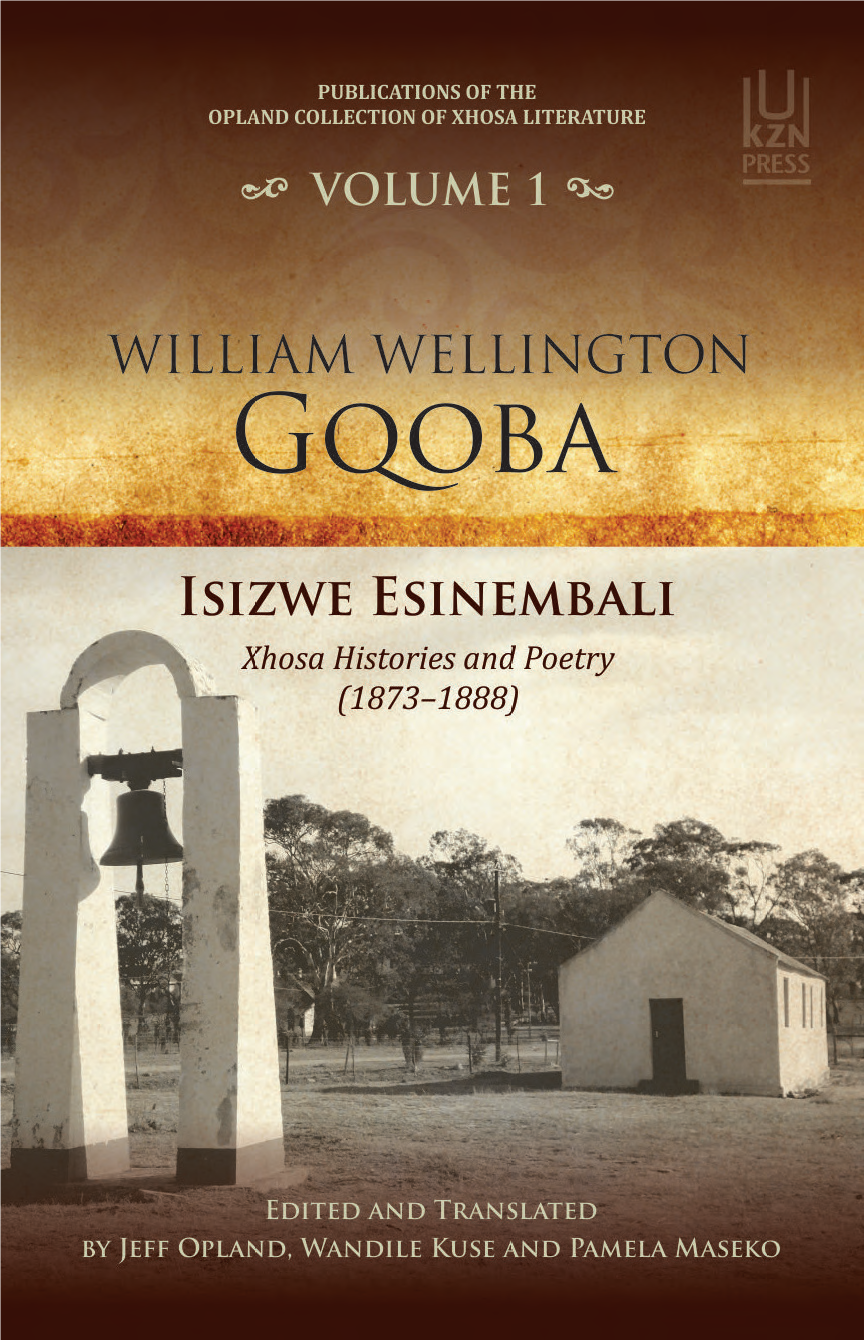
William Wellington Gqoba’s Isizwe Esinembali Xhosa Histories And Poetry (1873 – 1888)

By |2018-06-06T13:10:06+01:00May 3rd, 2018|Categories: Horn of Africa, Reading|Tags: , , , , , , , , |

Sanele Ntshingana recently received an honours degree in African languages from Rhodes University. He is now studying for an MA in African Languages with a focus on historical sociolinguistics. His research interests include Xhosa historiography, the making and unmaking of archive and the production of "history". The late eighteenth century southern seaboard

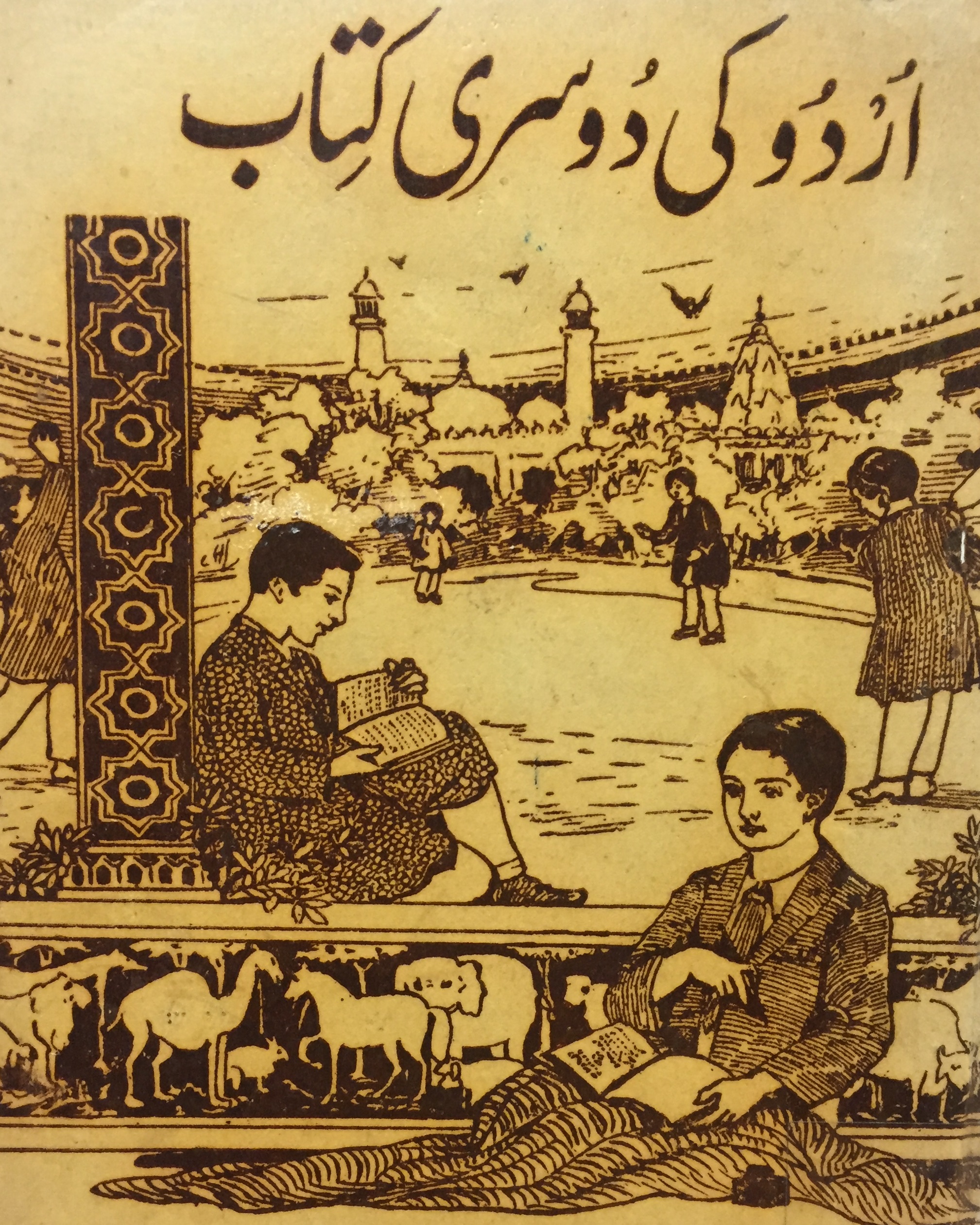
Making the child ‘sharīf’ in Urdu textbooks – Muslim, yet not Islamic

By |2019-12-04T11:36:36+01:00April 4th, 2018|Categories: Education and Taste, Interventions, North India, North India Readings, Reading|Tags: , , , , , , , , , , |

Sumaira Nawaz reflects on Urdu educational texts in colonial North India and how they informed new sensibilities and identities across religious divides

Amazigh, Catalan, Spanish, Moroccan? Said El Kadaoui: Saying No At a Time of Flags

By |2019-12-04T12:09:40+01:00April 2nd, 2018|Categories: Maghreb, Maghreb Reading, Reading, Translations|Tags: , |

Laura Casielles (Spain, 1986) is a PhD student at the Department of Arabic Studies at the Universidad Autónoma de Madrid. Her research focuses on Moroccan authors writing in French and Spanish as well as on writers of the Moroccan diaspora in Spain and France. She has a degree in Journalism, another one in Philosphy and a master

Go to Top