admin_mulosige

About admin_mulosige

This author has not yet filled in any details.
So far admin_mulosige has created 545 blog entries.

Omar Berrada: Il est temps de revendiquer un cosmopolitisme du sud

By |2018-03-15T19:27:41+01:00March 15th, 2018|Categories: Interventions, Maghreb|

"La colonisation n'appartient pas au passé, elle survit à sa propre mort en organisant une double amnésie: l'effacement des cultures colonisées et l'igonrance ou le déni de cet effacement."
Sowing the seeds of subalternity in Somali Literature

By |2019-04-12T14:29:19+01:00March 5th, 2018|Categories: Horn of Africa, Interventions, Poetry|Tags: , , , , , , , |

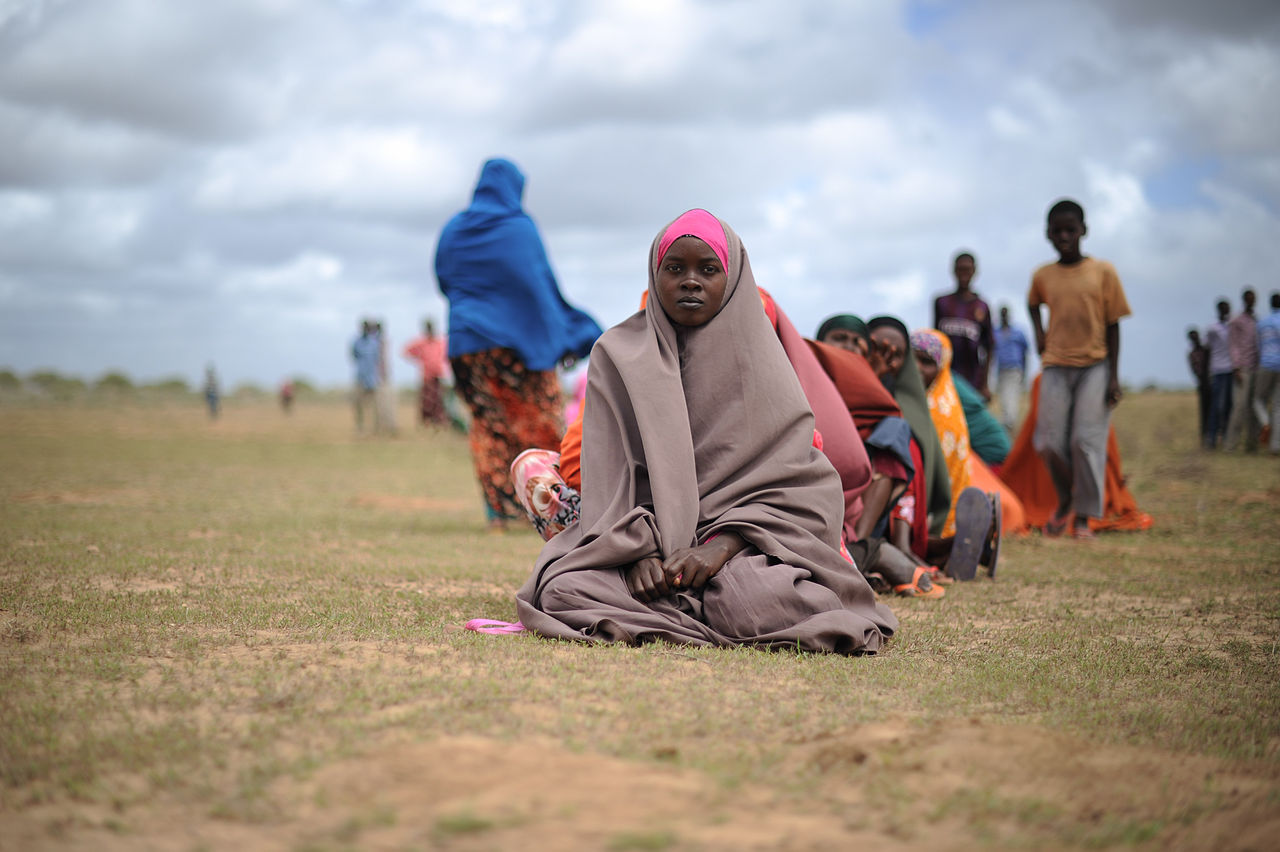
Photograph of Afgoye, Somalia from 2013 (source: Wiki Commons) Mohamed A. Eno is professor and dean of African Studies at St. Clements University in Mogadishu, Somalia. His groundbreaking work uses literature, especially folk poetry, to challenge the myth of a homogenous Somalia and to expose the exclusion and

Poetic inserts and the art of persuasion in the Somali novel “Aqoondarro waa u nacab jacayl” (“Ignorance is the enemy of love”) by Faarax M. J. Cawl

By |2018-01-27T14:31:28+01:00February 19th, 2018|Categories: Horn of Africa, Interventions|Tags: , , , , , , , , |

Ruixuan Li is a first year PhD student at SOAS University of London focusing on modern Somali poetry. Her research looks at the complex identities expressed by the new generation of Somali women poets through a comparative study of their poetry in Somali and English. Ignorance is the enemy of love: the novel

The Pulaar book network: transnationalism from below?

By |2018-01-27T14:30:09+01:00February 5th, 2018|Categories: Interventions|Tags: , , , , , , , |

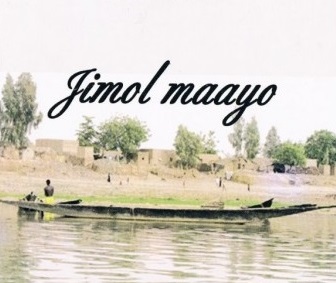
Researcher Melanie Bouret examines the grassroots movement for literacy in Pulaar, an African Fulani language spoken in Senegal and Mauritania (and in a vast diaspora), and shows how books circulate throughout a transregional network that is at once coordinated and spontaneous.

Women poets of Ancient Greece, India, and Eritrea: a comparison across time and space

By |2019-04-12T14:29:33+01:00January 21st, 2018|Categories: Gender and Queer Studies, Horn of Africa, Literary Criticism, North India|Tags: , , , , , , , , |

Tedros Abraham takes us on a journey across time and continents, comparing the way three women poets in Ancient Greece, India and Eritrea claim immortality through their poems and rebel against social norms

Kamel Kilani’s magical stories revolutionized Arabic children’s literature

By |2019-12-04T12:10:32+01:00January 1st, 2018|Categories: Genre, Maghreb, Reading|Tags: , , , , , , , , |

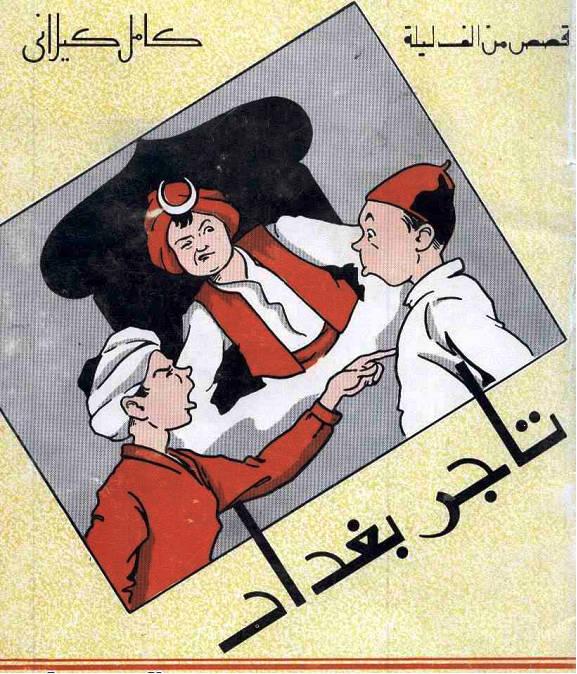
Kamel Kilani, a pioneer of children's literature in Arabic, translated and redacted from a remarkably catholic range of sources, as Egyptian writer Baheyya explores in this reposted blog

Discovering eco-criticism in Hindi: Renu’s Tale of a barren land

By |2019-12-04T11:36:53+01:00December 26th, 2017|Categories: North India, North India Readings, Reading|Tags: , , , , , , , , , |

In an ecocritical reading of Hindi author Phaniswarnath Renu, Amul Gyawali explores the dichotomies in his writing: state-society, centre-periphery and, crucially, man-nature

Iran’s official book awards: a more open ‘World’ literature

By |2019-04-12T14:30:24+01:00December 15th, 2017|Categories: Education and Taste, Interventions|Tags: , , , , , , , , |

Iranian poet, literary critic and translator Alireza Abiz examines Iran's 'World Book Award' and the languages, works, and topics it considers and finds the prize to be surprisingly expansive in acknowledging different sources of cultural and literary exchange in Iran

‘1920 to 1930’: Prohibition and the Arabic Short Story in New York City

By |2019-04-12T14:30:50+01:00December 7th, 2017|Categories: Genre, Journals, Maghreb, Reading|Tags: , , , , , , |

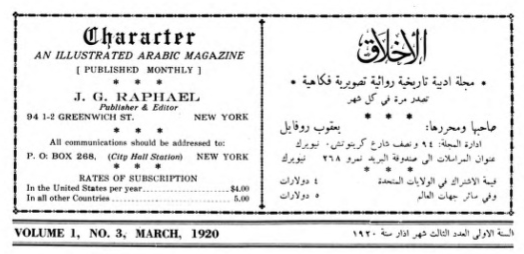
This Arabic short story published in New York during the Prohibition Era uses science fiction to imagine just how far banning certain beverages could possibly go. Raphael Cormack translated the story into English, and includes an introduction which contextualizes the story and 'Al-Akhlaq' journal as part of a larger Arabic literature and news scene set in New York in the early 20th century

Celebrating Online African Literature with The Brittle Paper Literary Awards

By |2019-04-12T14:31:48+01:00November 4th, 2017|Categories: Digital Humanities and Archiving, Horn of Africa, Maghreb|Tags: , , , , , , , , , |

'Brittle Paper' founder Dr. Ainehi Edoro talks to Sana Goyal about how recognizing and promoting African literature online can fill in gaps left by traditional literary outlets and their gatekeepers.

Go to Top