admin_mulosige

About admin_mulosige

This author has not yet filled in any details.
So far admin_mulosige has created 545 blog entries.

English is an African Language- the Language of Coexistence

By |2019-04-12T14:32:20+01:00October 27th, 2017|Categories: Horn of Africa, Interventions, Maghreb, Translations|Tags: , , , , , , , , , |

Mauritanian writer Mohmed Bouya Bamba argues that English has practical advantages for interethnic and intercountry communication in Africa, so Africans should reclaim the language instead of waging a futile ideological war

To English, or not to English? Shakespeare as a translator

By |2019-04-12T14:34:00+01:00October 3rd, 2017|Categories: Interventions, Literary Criticism, Translations|Tags: , , , , , , , |

Guest contributor Jennifer E. Nicholson questions the idea of Shakespeare as a quintessentially English author, and describes instead ‘un-Englished’ Shakespeare who was not limited to either a single locality or language

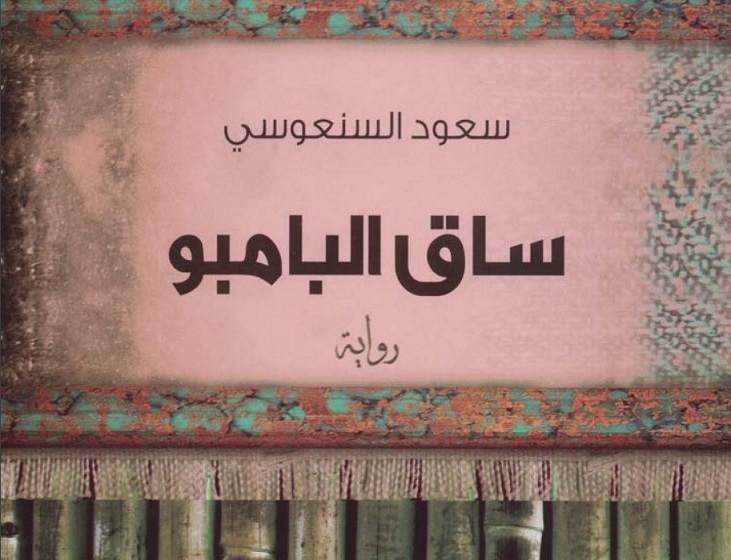
Fictional translation in ‘Sāq al-bāmbū’ is erased in ‘The Bamboo Stalk’

By |2019-04-12T14:34:17+01:00September 29th, 2017|Categories: Interventions, Maghreb, Reading, Translations|Tags: , , , |

Kuwaiti novel 'Saq al-Bambu' is presented as a text translated from Tagalog even though it was originally written in Arabic- however, the English translation completely erases the fictional translation aspect.

What is postcolonial philology?

By |2019-04-12T14:34:39+01:00September 10th, 2017|Categories: Interventions, Keywords|Tags: , , , , , , , , , |

S. Shankar argues that postcolonial philology can present "a powerful way of plumbing the depths of that dauntingly deep and shifting ocean of historical experience that we call the modern colonial encounter and its aftermath".

The Tigrinya short story in Eritrea: emergence and development of a genre

By |2019-04-12T14:34:58+01:00August 26th, 2017|Categories: Genre, Horn of Africa, Interventions, Translations|Tags: , , , |

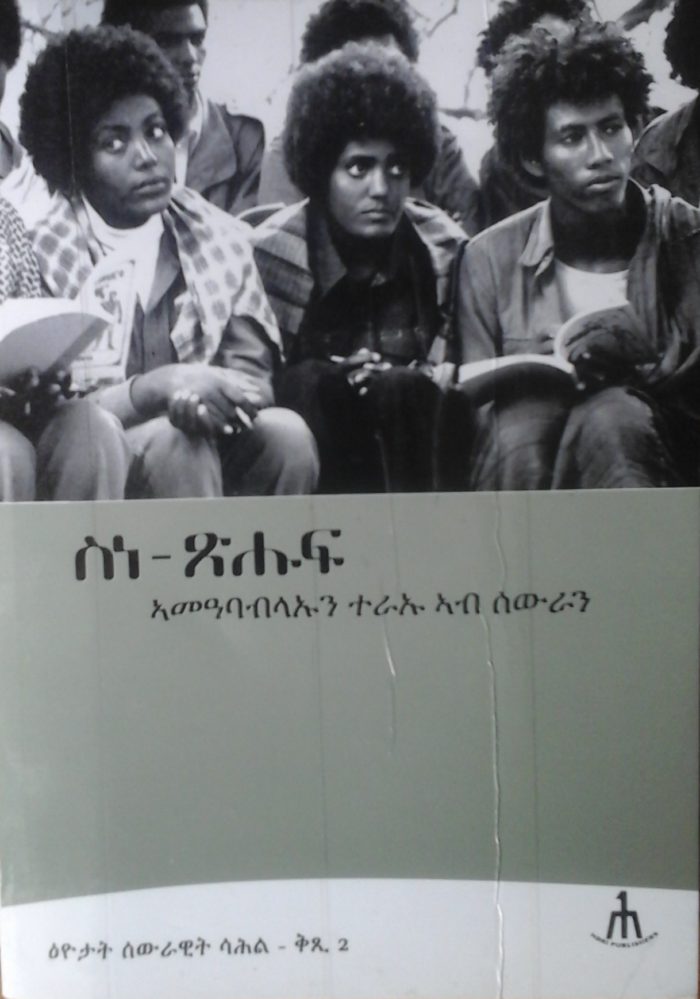
Akeder Ahmedin Issa guides us through the history of the short story in Tigrinya from the 1980s to the present, focusing on the parallel developments in Sahl, the centre of the Eritrean independence struggle, and the capital Asmara

Only a quarter of translated fiction originally written by women

By |2019-04-12T14:36:08+01:00August 3rd, 2017|Categories: Gender and Queer Studies, Interventions, Translations|Tags: , , , , , , , |

Only a tiny fraction of fiction published in English is translated, and only about a quarter of that translated fiction was originally written by women. And yet there are so many amazing women-authored books out there in the world – books we’re missing out on

Hassan Blasim’s Refugee Narratives: Travelling Between Fact and Fiction

By |2019-04-12T14:37:12+01:00August 3rd, 2017|Categories: Literary Criticism, Maghreb, Reading|Tags: , , , , , , , |

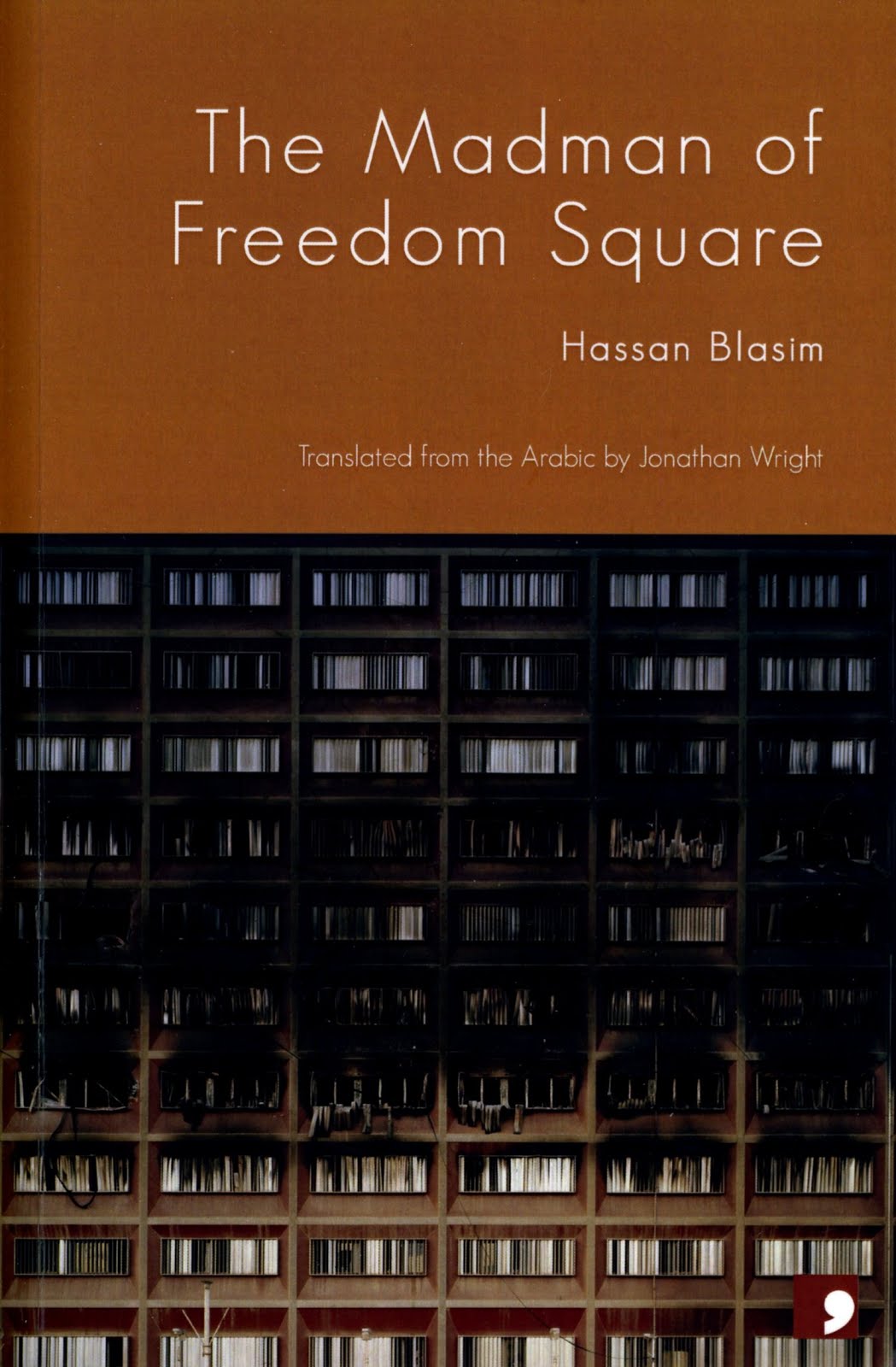
As ‘kan ya makan’ implies, Blasim’s stories are and they are not: they impress upon readers the porous boundaries between fact and fiction, particularly at a juncture when tales of migration are gaining political and literary attention

On Some Recent Worrying over World Literature’s Commodity Status

By |2019-04-12T14:37:22+01:00July 14th, 2017|Categories: Interventions, Literary Criticism|Tags: , , , , , , , , , |

World literature, Sarah Brouillette argues, could be understood as "a moment of purportedly global circulation that is really a moment of uneven distribution"

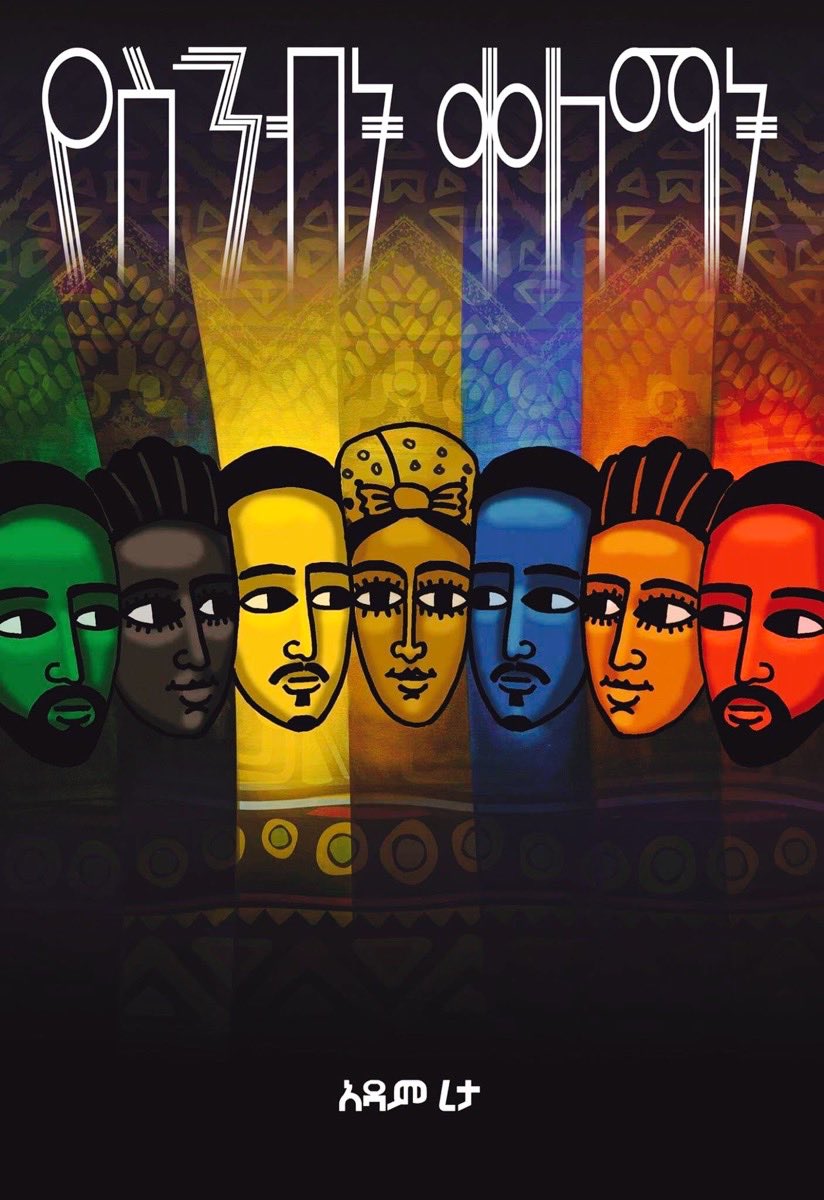
Farewell has colors: Adam Reta’s “Colors of Adios”

By |2019-04-12T14:37:31+01:00July 14th, 2017|Categories: Horn of Africa, Literary Criticism, Reading|Tags: , , , , , , , , |

In his latest Amharic novel, the Ethiopian writer Adam Reta uses the metaphor of light prisms and colours to describe how couples, histories and nations part, mix and combine

SOAS CCLPS Critical Forum – Nadeschda Bachem & Yan Jia

By |2019-04-12T14:37:59+01:00July 6th, 2017|Categories: Genre, Interventions, Popular and Pulp Fiction, Translations|Tags: , , , , , , , , , , , , , |

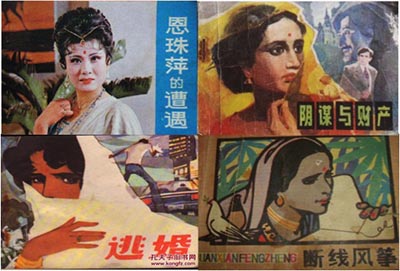
Opening horizons to the multifacetedness of cultural production on the Asian continent using case studies from Japan and South Korea, China and India

Go to Top