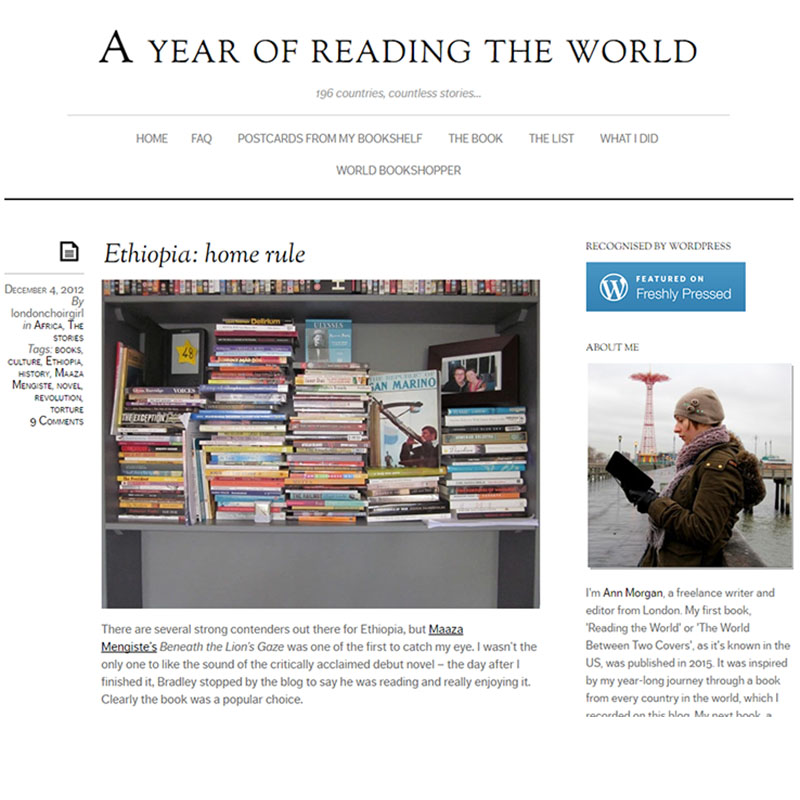
Why do we read so few translations?

By |2019-04-12T14:40:13+01:00January 29th, 2017|Categories: Horn of Africa, Interventions, Maghreb, News, North India, Reading, Translations|Tags: , , , , |

Statistics show that only between 3 - 5% of literary books published in the UK are translations. Ann Morgan in A Year of Reading the World writes about the difficulty in finding out about and getting hold of translations, even in the age of global publishing.
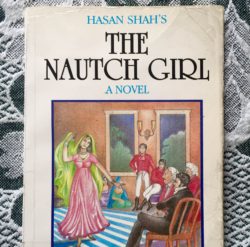
Qurratulain Hyder’s The Nautch Girl: A doubly multilingual text

By |2019-04-12T14:40:25+01:00January 29th, 2017|Categories: North India, Poetry, Reading, Translations|Tags: , , , , , , , , , , , , |

What happens when a text from 17th century India passes through a double translation over the next two centuries? Qurratulain Hyder's translation of Hasan Shah's The Nautch Girl reveals some of the changes that occur when texts move across time and space.

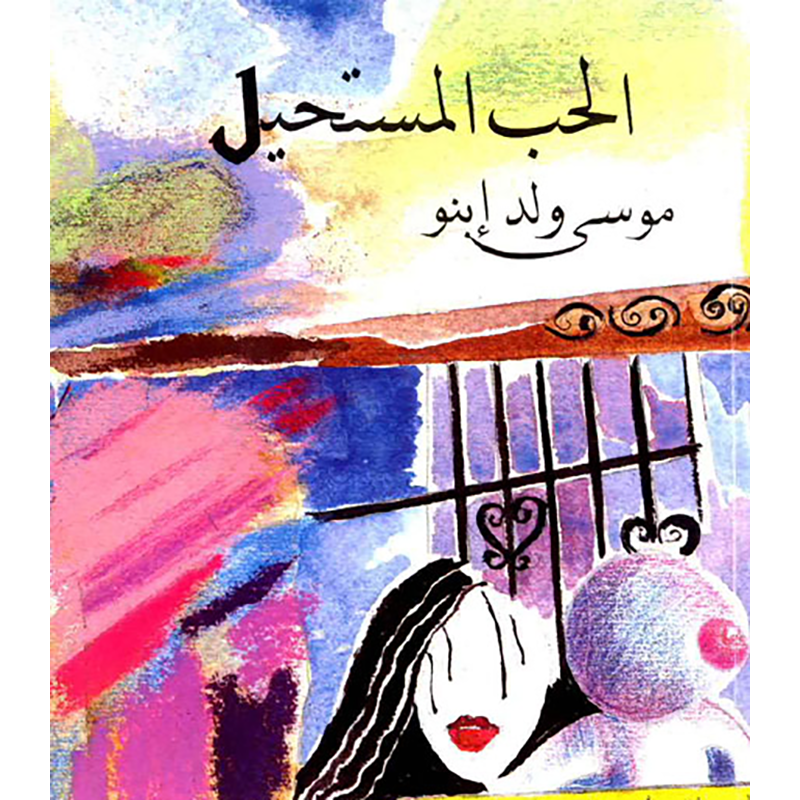
Al-hubb Al-mustaheel / L’amour impossible: Love in a Time of Artificial Wombs

By |2019-04-12T14:40:47+01:00January 29th, 2017|Categories: Digital Humanities and Archiving, Gender and Queer Studies, Genre, Maghreb, Reading|Tags: , , , , , , , , , , |

Most Mauritanian fiction seems almost obsessively ethnographic but Moussa Ould Ibno breaks away from this trend and uses Science Fiction to comment on ethical questions of reproductive technology and love.

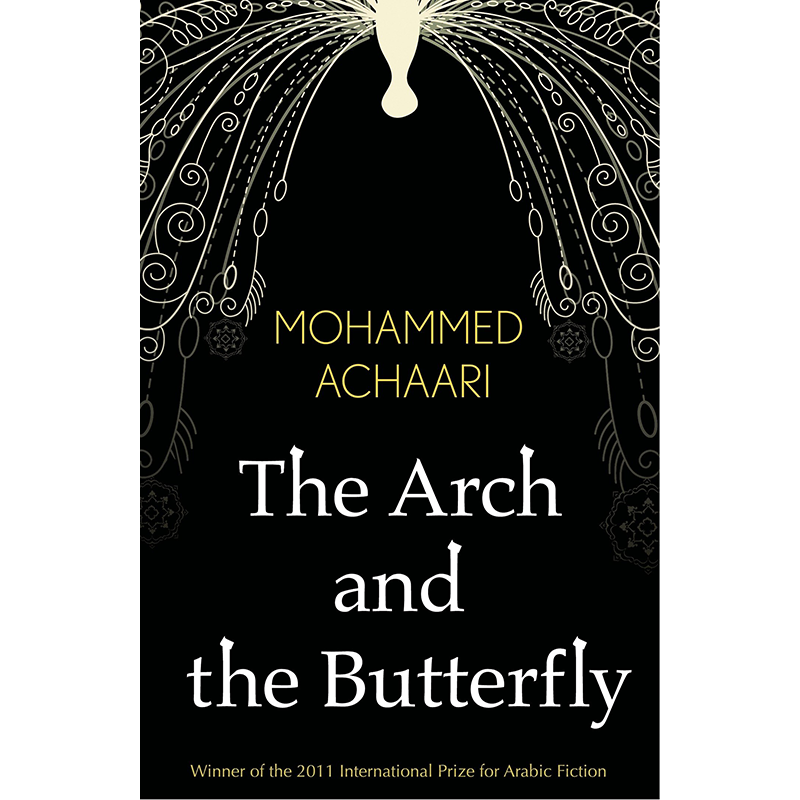
The Arch and The Butterfly by Mohammed Achaari

By |2019-04-12T14:41:07+01:00January 20th, 2017|Categories: Literary Criticism, Maghreb, Reading|Tags: , , , , , , , , , , , , |

The Arch and the Butterfly represents a fine example of the maturity of the contemporary Moroccan novel, both in its aesthetics and its politics. It is a beautifully written novel that was recognised for the mastery of its craft in 2011 when it was awarded the International Arabic Booker Prize.

International Solidarity in World Literature

By |2019-04-12T14:41:23+01:00December 7th, 2016|Categories: Podcast, Poetry|Tags: , , , , , , , , , , |

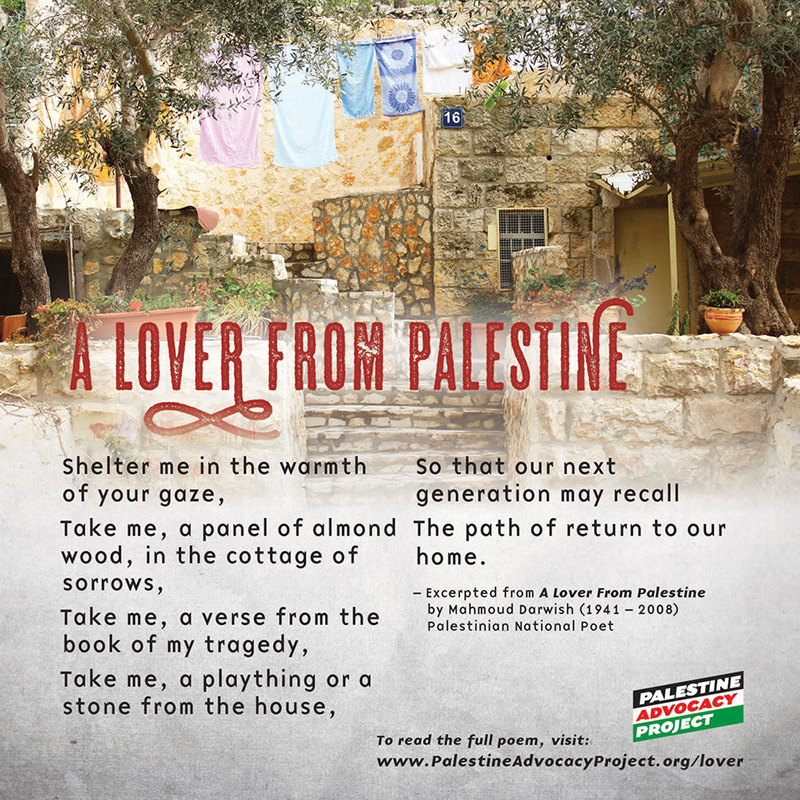
In this podcast Dr Anna Bernard (King's College London) examines internationalist world literature by returning to a previous moment in world literary history: a selection of English-language poetry anthologies that were circulated within the anti-apartheid and Palestine solidarity movements in Britain in the 1970s and early 1980s.

Antonio Gramsci’s Anti-colonial Imagination podcast

By |2019-04-12T14:41:41+01:00November 23rd, 2016|Categories: Podcast|Tags: , , , , , , , |

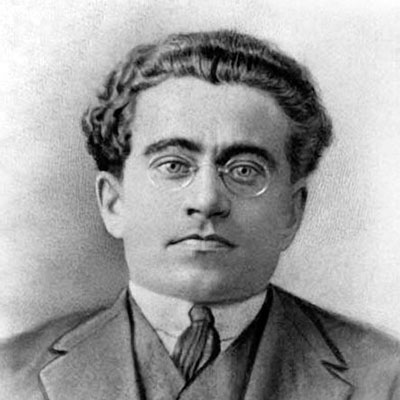
Dr Thomas Langley (King's College London) makes a case for reading Antonio Gramsci as an anti-colonial writer. By turning to some of Gramsci’s lesser-known pre-prison writings we can trace lines of continuity that underline the centrality of questions of colonial and imperial power in his work, and foreground the ways in which his writing is characterised by a consistent attempt to locate Italy as a terrain of struggle in relation to broader contours of colonial exploitation and anti-colonial resistance.

Shakespeare in Yemen

By |2019-04-12T14:41:58+01:00October 19th, 2016|Categories: Podcast, Translations|Tags: , , , , |

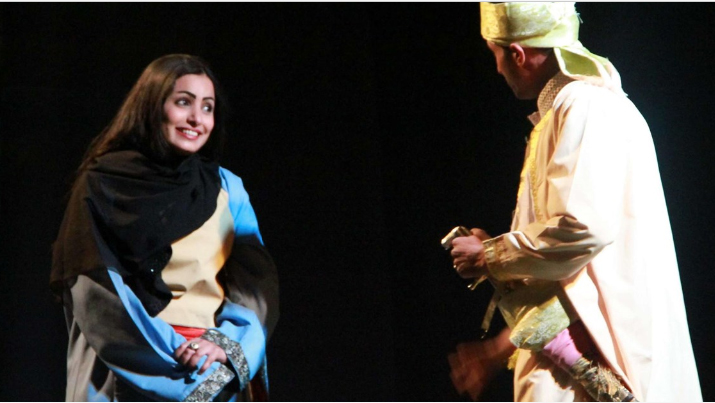
Dr Katherine Hennessey (Warwick) discusses Yemen as perhaps the only country in the world that can lay claim to a history of theatre that begins with a performance of Shakespeare and explores the surprisingly vibrant history of adaptations of Shakespeare on the Yemeni stage. Listen to the podcast.

The Code of History and non-Western Pasts: does historiography travel?

By |2019-04-12T14:42:19+01:00October 12th, 2016|Categories: Podcast, Themes|Tags: , , , , |

Professor Sanjay Seth (Goldsmiths) argues that history-writing is not the recreation of a past that is always-already there, lying mute and waiting for the historian to give it voice, but is instead a code or genre or technology, one which constructs the past in ways that make it amenable to representation through the code of history.

Bibliomigrancy: World Literature as a Pact with Books

By |2019-04-12T14:42:27+01:00October 11th, 2016|Categories: Digital Humanities and Archiving, Podcast|Tags: , , , , , |

Professor Venkat Mani (University of Wisconsin-Madison) politicise the idea of world literature. He argues that library and print and digital cultural histories assist in understanding world literature as historically conditioned, culturally determined, and politically charged, and focuses on the role of the state in the construction of world literature using Nazi Germany as a case study.

Go to Top