To English, or not to English? Shakespeare as a translator

By |2019-04-12T14:34:00+01:00October 3rd, 2017|Categories: Interventions, Literary Criticism, Translations|Tags: , , , , , , , |

Guest contributor Jennifer E. Nicholson questions the idea of Shakespeare as a quintessentially English author, and describes instead ‘un-Englished’ Shakespeare who was not limited to either a single locality or language
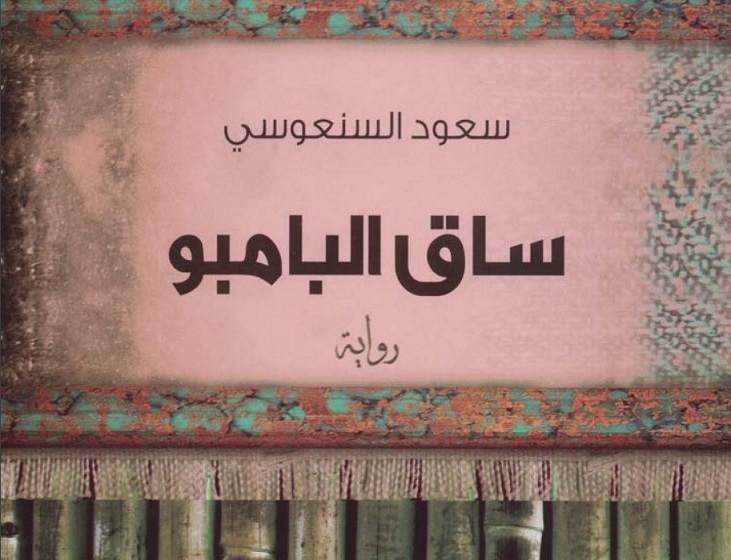
Fictional translation in ‘Sāq al-bāmbū’ is erased in ‘The Bamboo Stalk’

By |2019-04-12T14:34:17+01:00September 29th, 2017|Categories: Interventions, Maghreb, Reading, Translations|Tags: , , , |

Kuwaiti novel 'Saq al-Bambu' is presented as a text translated from Tagalog even though it was originally written in Arabic- however, the English translation completely erases the fictional translation aspect.

What is postcolonial philology?

By |2019-04-12T14:34:39+01:00September 10th, 2017|Categories: Interventions, Keywords|Tags: , , , , , , , , , |

S. Shankar argues that postcolonial philology can present "a powerful way of plumbing the depths of that dauntingly deep and shifting ocean of historical experience that we call the modern colonial encounter and its aftermath".

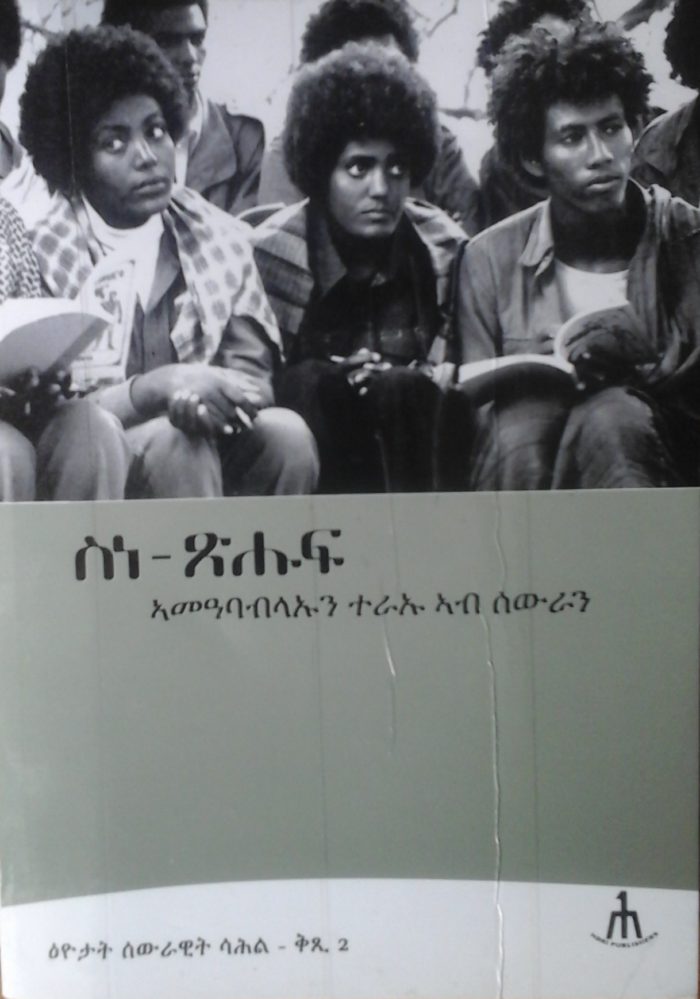
The Tigrinya short story in Eritrea: emergence and development of a genre

By |2019-04-12T14:34:58+01:00August 26th, 2017|Categories: Genre, Horn of Africa, Interventions, Translations|Tags: , , , |

Akeder Ahmedin Issa guides us through the history of the short story in Tigrinya from the 1980s to the present, focusing on the parallel developments in Sahl, the centre of the Eritrean independence struggle, and the capital Asmara

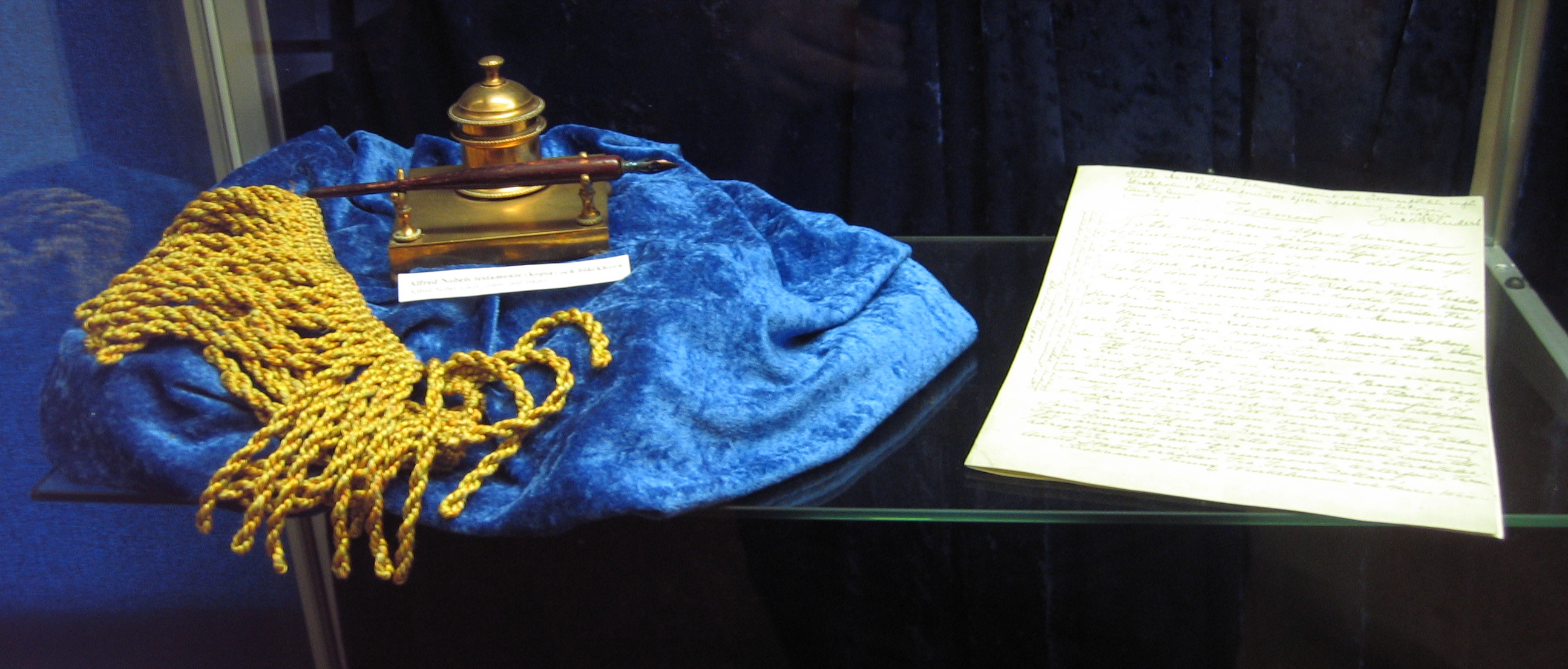
To Win the Nobel Prize, Write in a European Language

By |2019-04-12T14:35:11+01:00August 21st, 2017|Categories: Education and Taste, Interventions|Tags: , , , , , , , |

July Blalack argues that The Nobel Prize in literature is failing its global audience due to its near exclusive focus on literature written in European languages.

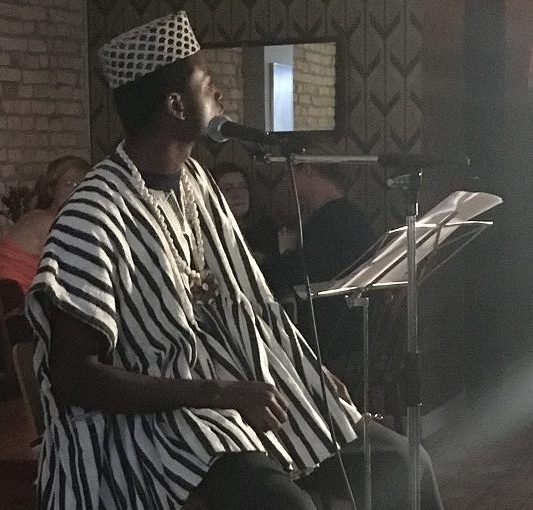
Multilingual Poetry: Kwame Write in Paris, Accra, Copenhagen

By |2020-05-28T18:05:23+01:00August 11th, 2017|Categories: Horn of Africa, Orality and Oral Forms, Past events, Poetry, Reading|Tags: , , , , , , , , , , , , , , |

Poetry doesn't need to be completely understood to be experienced, making it an ideal medium for multilingual expression. Here multimodal artist Kwame Write talks to MULOSIGE about the language of water and about multilingualism in his life and work.

‘What isn’t World Literature?’ David Damrosch and the IWL

By |2019-04-12T14:35:51+01:00August 7th, 2017|Categories: Interventions, Literary Criticism|Tags: , , , , , , |

At the Institute for World Literature 2017, the programme's founder David Damrosch offered pertinent and timely critiques of world literature to which the MULOSIGE project has begun to respond

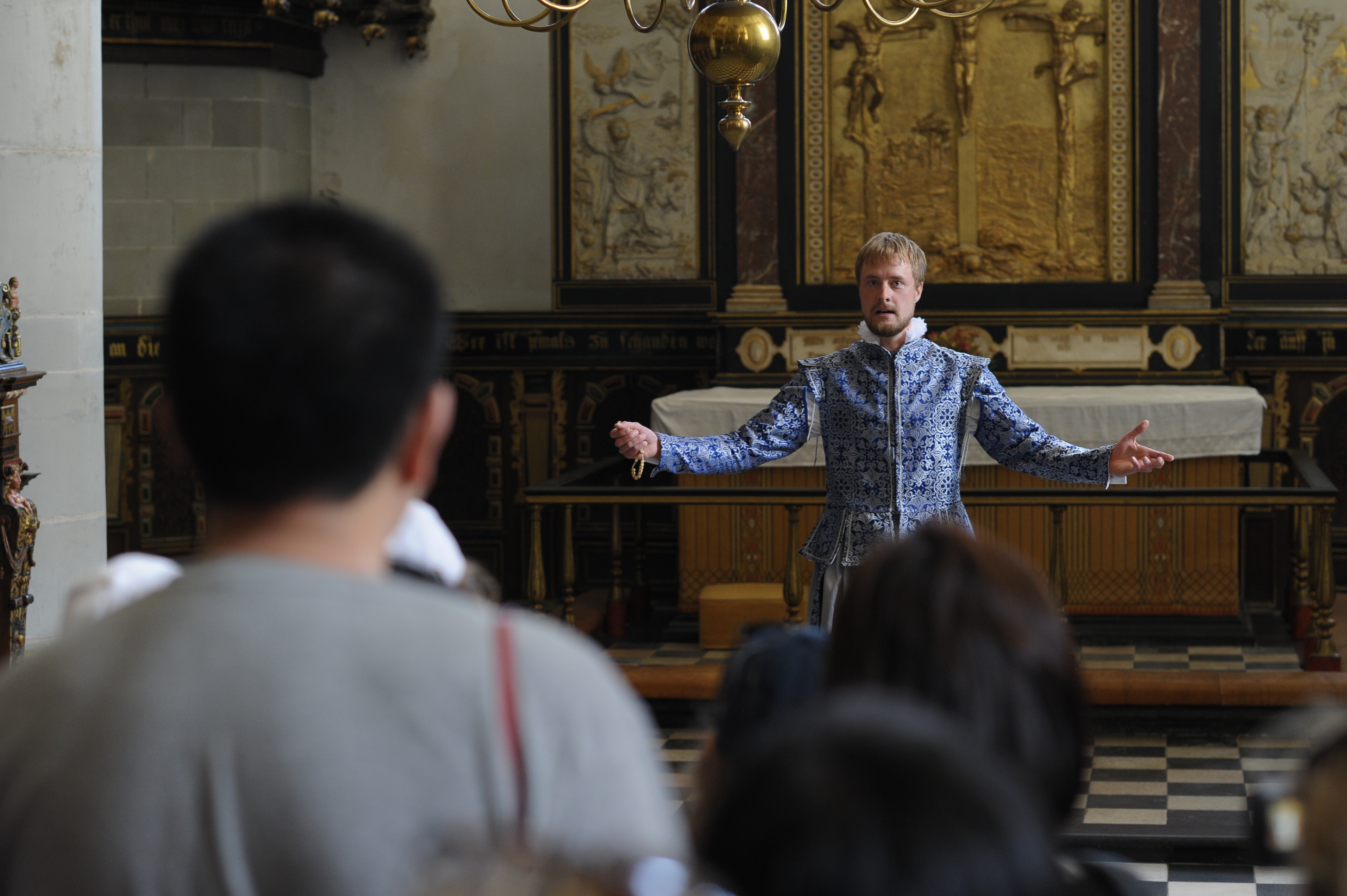
Hamlet at Helsingør: performance across time, space and language

By |2019-04-12T14:35:59+01:00August 5th, 2017|Categories: Literary Criticism, Reading|Tags: , , , , , , , , , |

Watching 'Hamlet Live' at Kronborg Castle creates a sense of both familiarity and distance that helps us think about how literatures travel and come to be shared

Only a quarter of translated fiction originally written by women

By |2019-04-12T14:36:08+01:00August 3rd, 2017|Categories: Gender and Queer Studies, Interventions, Translations|Tags: , , , , , , , |

Only a tiny fraction of fiction published in English is translated, and only about a quarter of that translated fiction was originally written by women. And yet there are so many amazing women-authored books out there in the world – books we’re missing out on

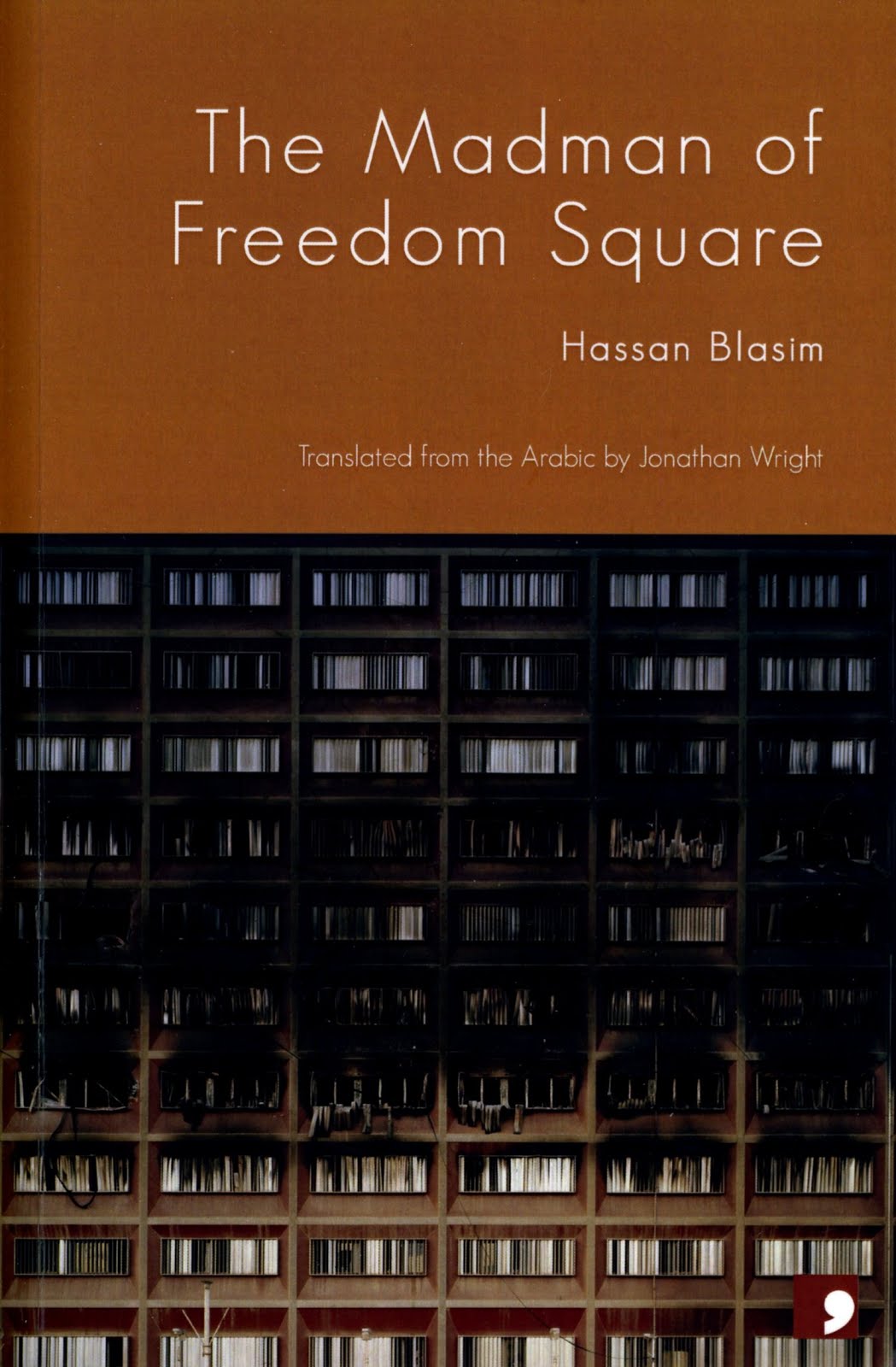
Hassan Blasim’s Refugee Narratives: Travelling Between Fact and Fiction

By |2019-04-12T14:37:12+01:00August 3rd, 2017|Categories: Literary Criticism, Maghreb, Reading|Tags: , , , , , , , |

As ‘kan ya makan’ implies, Blasim’s stories are and they are not: they impress upon readers the porous boundaries between fact and fiction, particularly at a juncture when tales of migration are gaining political and literary attention

Go to Top