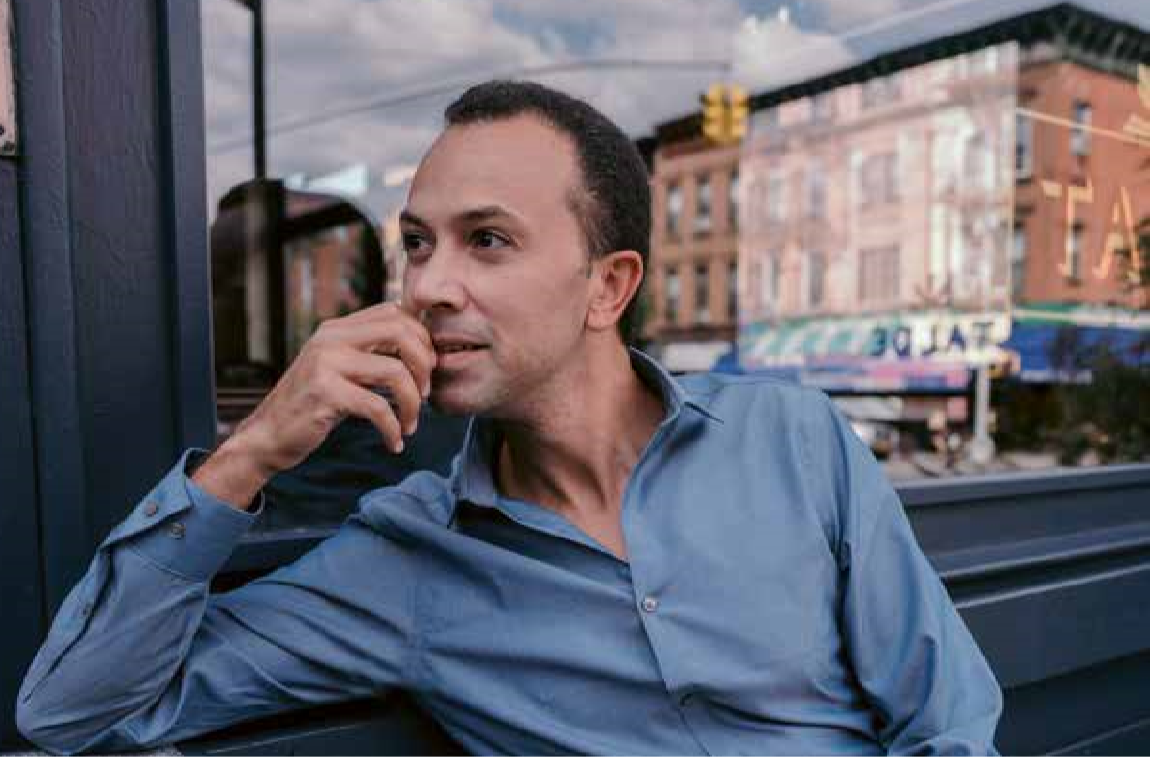
Amazigh, Catalan, Spanish, Moroccan? Said El Kadaoui: Saying No At a Time of Flags

By |2019-12-04T12:09:40+01:00April 2nd, 2018|Categories: Maghreb, Maghreb Reading, Reading, Translations|Tags: , |

Laura Casielles (Spain, 1986) is a PhD student at the Department of Arabic Studies at the Universidad Autónoma de Madrid. Her research focuses on Moroccan authors writing in French and Spanish as well as on writers of the Moroccan diaspora in Spain and France. She has a degree in Journalism, another one in Philosphy and a master
Omar Berrada: Il est temps de revendiquer un cosmopolitisme du sud

By |2018-03-15T19:27:41+01:00March 15th, 2018|Categories: Interventions, Maghreb|

"La colonisation n'appartient pas au passé, elle survit à sa propre mort en organisant une double amnésie: l'effacement des cultures colonisées et l'igonrance ou le déni de cet effacement."

Sowing the seeds of subalternity in Somali Literature

By |2019-04-12T14:29:19+01:00March 5th, 2018|Categories: Horn of Africa, Interventions, Poetry|Tags: , , , , , , , |

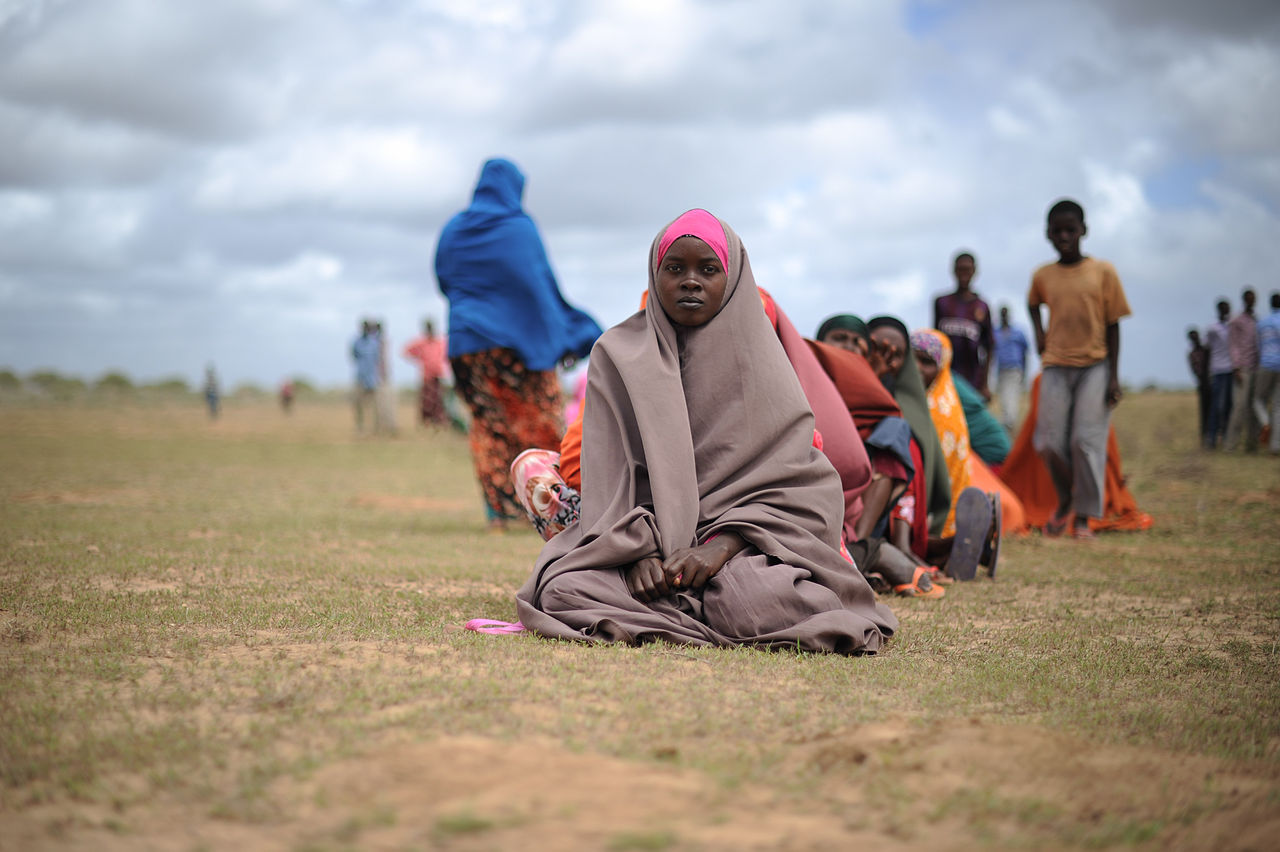
Photograph of Afgoye, Somalia from 2013 (source: Wiki Commons) Mohamed A. Eno is professor and dean of African Studies at St. Clements University in Mogadishu, Somalia. His groundbreaking work uses literature, especially folk poetry, to challenge the myth of a homogenous Somalia and to expose the exclusion and

Poetic inserts and the art of persuasion in the Somali novel “Aqoondarro waa u nacab jacayl” (“Ignorance is the enemy of love”) by Faarax M. J. Cawl

By |2018-01-27T14:31:28+01:00February 19th, 2018|Categories: Horn of Africa, Interventions|Tags: , , , , , , , , |

Ruixuan Li is a first year PhD student at SOAS University of London focusing on modern Somali poetry. Her research looks at the complex identities expressed by the new generation of Somali women poets through a comparative study of their poetry in Somali and English. Ignorance is the enemy of love: the novel

The Pulaar book network: transnationalism from below?

By |2018-01-27T14:30:09+01:00February 5th, 2018|Categories: Interventions|Tags: , , , , , , , |

Researcher Melanie Bouret examines the grassroots movement for literacy in Pulaar, an African Fulani language spoken in Senegal and Mauritania (and in a vast diaspora), and shows how books circulate throughout a transregional network that is at once coordinated and spontaneous.

Women poets of Ancient Greece, India, and Eritrea: a comparison across time and space

By |2019-04-12T14:29:33+01:00January 21st, 2018|Categories: Gender and Queer Studies, Horn of Africa, Literary Criticism, North India|Tags: , , , , , , , , |

Tedros Abraham takes us on a journey across time and continents, comparing the way three women poets in Ancient Greece, India and Eritrea claim immortality through their poems and rebel against social norms

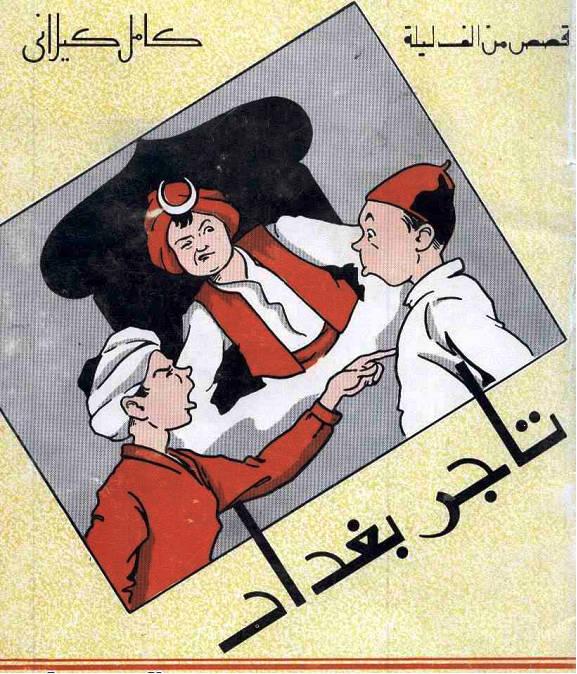
Kamel Kilani’s magical stories revolutionized Arabic children’s literature

By |2019-12-04T12:10:32+01:00January 1st, 2018|Categories: Genre, Maghreb, Reading|Tags: , , , , , , , , |

Kamel Kilani, a pioneer of children's literature in Arabic, translated and redacted from a remarkably catholic range of sources, as Egyptian writer Baheyya explores in this reposted blog

Discovering eco-criticism in Hindi: Renu’s Tale of a barren land

By |2019-12-04T11:36:53+01:00December 26th, 2017|Categories: North India, North India Readings, Reading|Tags: , , , , , , , , , |

In an ecocritical reading of Hindi author Phaniswarnath Renu, Amul Gyawali explores the dichotomies in his writing: state-society, centre-periphery and, crucially, man-nature

Iran’s official book awards: a more open ‘World’ literature

By |2019-04-12T14:30:24+01:00December 15th, 2017|Categories: Education and Taste, Interventions|Tags: , , , , , , , , |

Iranian poet, literary critic and translator Alireza Abiz examines Iran's 'World Book Award' and the languages, works, and topics it considers and finds the prize to be surprisingly expansive in acknowledging different sources of cultural and literary exchange in Iran

Assa, Morocco: An Unwritten History?

By |2019-12-04T12:10:44+01:00December 14th, 2017|Categories: Maghreb, Maghreb Reading, Reading|Tags: , , , , , , , , , , |

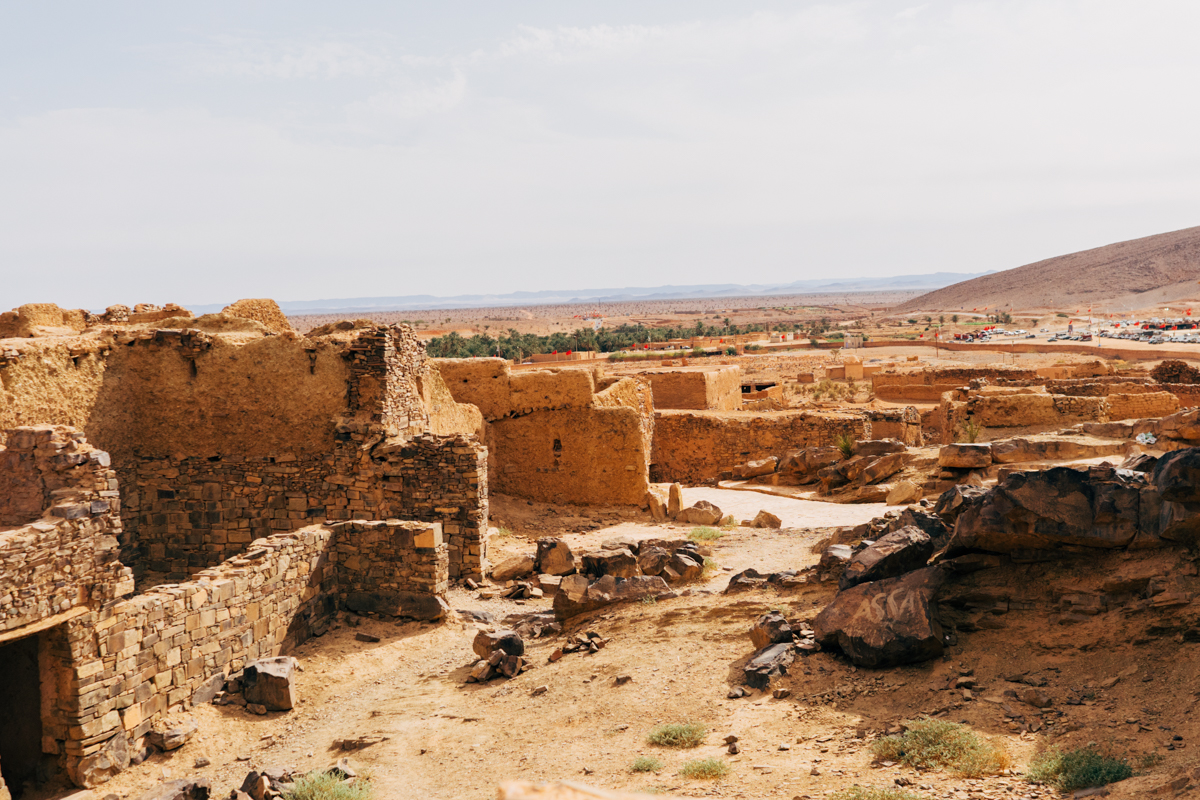
Through the annual festival celebrating the Mawlid, or the Prophet Muhammad's birthday, July Blalack explores the mingling multilingual poetry and oral histories from Assa, where Berber/ Amazigh tribes have long mixed with their Sahrawi neighbors.

Go to Top